

 Instant Help
The Vital Role of Vitamin D in Winter and Its Impact on Health
Welcome to this week’s deep dive into a topic that quietly shapes our health as the days grow shorter and the chill sets in: vitamin D. If you’ve ever wondered why you feel a bit sluggish or find your immune system isn’t quite up to par during the colder months, you’re in the right place. Today, we’re exploring how vitamin D isn’t just a nutrient—it’s a wintertime wellness essential, especially when it comes to warding off certain diseases and boosting overall vitality.
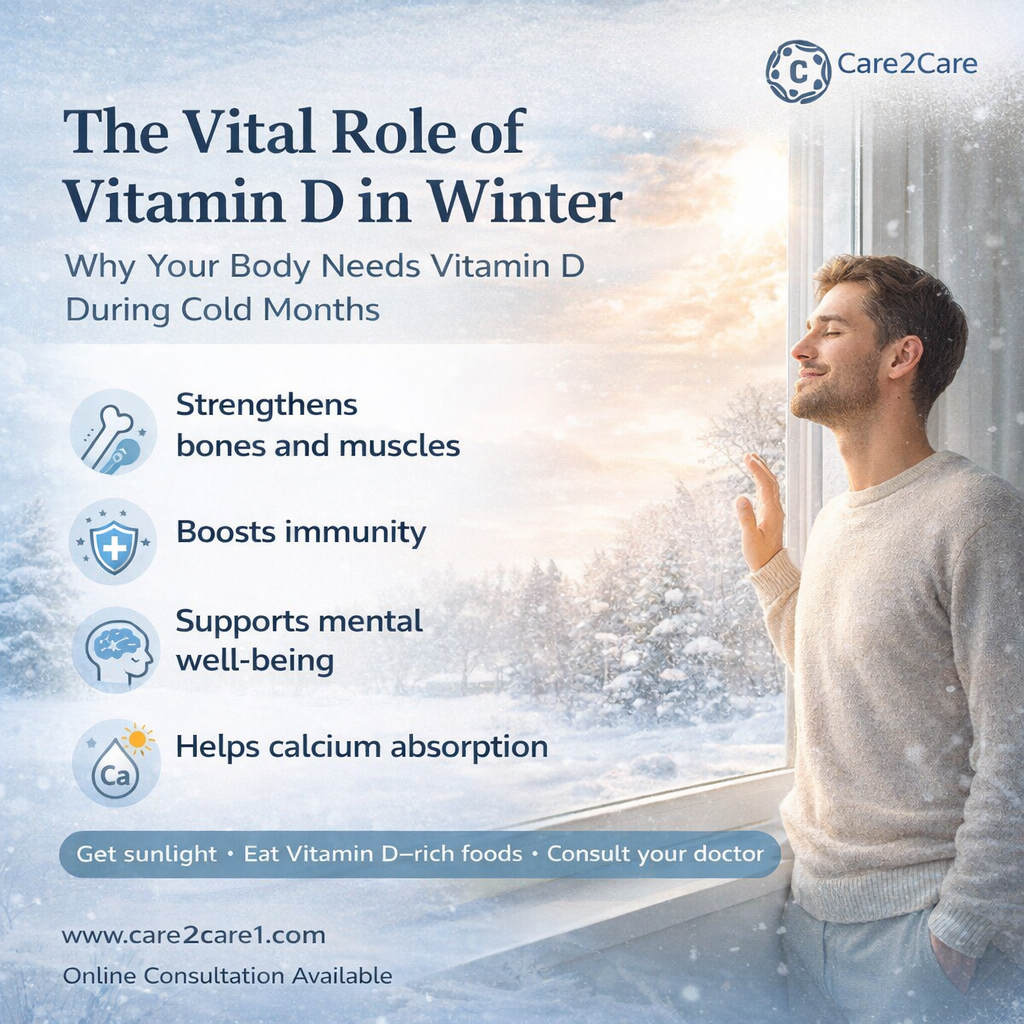
Why Vitamin D Deserves Our Attention in Winter
As the sun retreats earlier and the skies stay gray longer, our natural vitamin D production takes a hit. Since our skin synthesizes vitamin D when exposed to sunlight, the lack of those golden rays during winter often leaves many of us with less than ideal levels. This deficiency isn’t just about feeling a little down; vitamin D plays a huge role in maintaining strong bones, supporting immune function, and even influencing mood.
One of the most talked-about effects of low vitamin D in winter is the increased vulnerability to illnesses. Studies have linked insufficient vitamin D to a higher risk of catching colds, flu, and other respiratory infections. It’s easy to underestimate how a simple nutrient affects our body’s defenses, but in reality, vitamin D acts like a gatekeeper that gets our immune system ready to fight off invaders.
Vitamin D and Common Diseases: More Than Just Bones
While we usually associate vitamin D with calcium absorption and bone health, its influence stretches further. For example:
- Autoimmune diseases: Conditions like multiple sclerosis and rheumatoid arthritis have shown associations with low vitamin D levels, especially in regions with less sunlight.
- Cardiovascular health: Some research suggests vitamin D helps regulate blood pressure and heart health, a reminder that its benefits ripple far beyond winter blues.
- Mood disorders: Seasonal Affective Disorder (SAD)—the wintertime funk many experience—can be linked to reduced sunlight and subsequently poor vitamin D status.
It’s a fascinating reminder that this nutrient isn’t just a “vitamin” but a hormone-like player orchestrating many parts of our well-being.
How Can We Keep Vitamin D Levels Up During the Dim Months?
Of course, the question remains: how do you keep your vitamin D in check when sunlight is scarce? Here’s a balanced approach:
- Mindful sun exposure: Even short daily walks around midday can help, weather permitting.
- Diet: Incorporate vitamin D-rich foods such as oily fish (think salmon and mackerel), fortified dairy or plant milks, and egg yolks into your meals.
- Supplements: For many, especially in higher latitudes, a vitamin D supplement during fall and winter is a practical strategy. Always consider a healthcare professional’s advice for personalized dosing.
Taking these steps may feel simple but can make a significant difference in how you feel and function during the cold, dark months.
Wrapping Up: Staying Bright When Days Are Dark
Winter brings a unique set of challenges, but vitamin D offers one of the most accessible tools to support our health and resilience. By understanding its vital role and taking intentional actions, we can face the season not just surviving but thriving—more energized, healthier, and perhaps even a little sunnier in spirit.
Next week, we’ll explore easy lifestyle tweaks to boost immunity naturally, beyond the vitamin cabinet. Until then, stay warm, stay curious, and remember: sometimes, the smallest nutrients make the biggest impact.
 For trusted guidance, expert doctors in Islamabad and Rawalpindi are available on our platform:
 Website: care2care1.com
 Facebook: https://www.facebook.com/homecarejobcare2care1
 Instagram: https://www.instagram.com/care2care1official/
 Share this blog to raise awareness and help others