

 Instant Help
Why Does Vertigo Feel Worse in Winter?
Welcome to this week’s deep dive into the curious ways our bodies respond to the changing seasons. If you’ve ever found yourself feeling dizzy or off-balance more often when the cold months roll in, you’re not alone. Vertigo—that unsettling sense that the world is spinning—tends to flare up more in winter, and today, we’re unpacking why that might be.
Understanding vertigo’s seasonal patterns is not just about satisfying curiosity; it’s about empowering ourselves with knowledge, especially if you or someone you know struggles with balance issues. So grab a cozy blanket, and let’s explore the chilly connection between vertigo and winter.
The Winter Vertigo Connection: What’s Going On?
Vertigo is primarily caused by disruptions in the inner ear, where our sense of balance lives. The inner ear’s vestibular system is highly sensitive to changes that can range from infections to shifts in blood pressure. But why does winter seem to tip the scales more often?
-
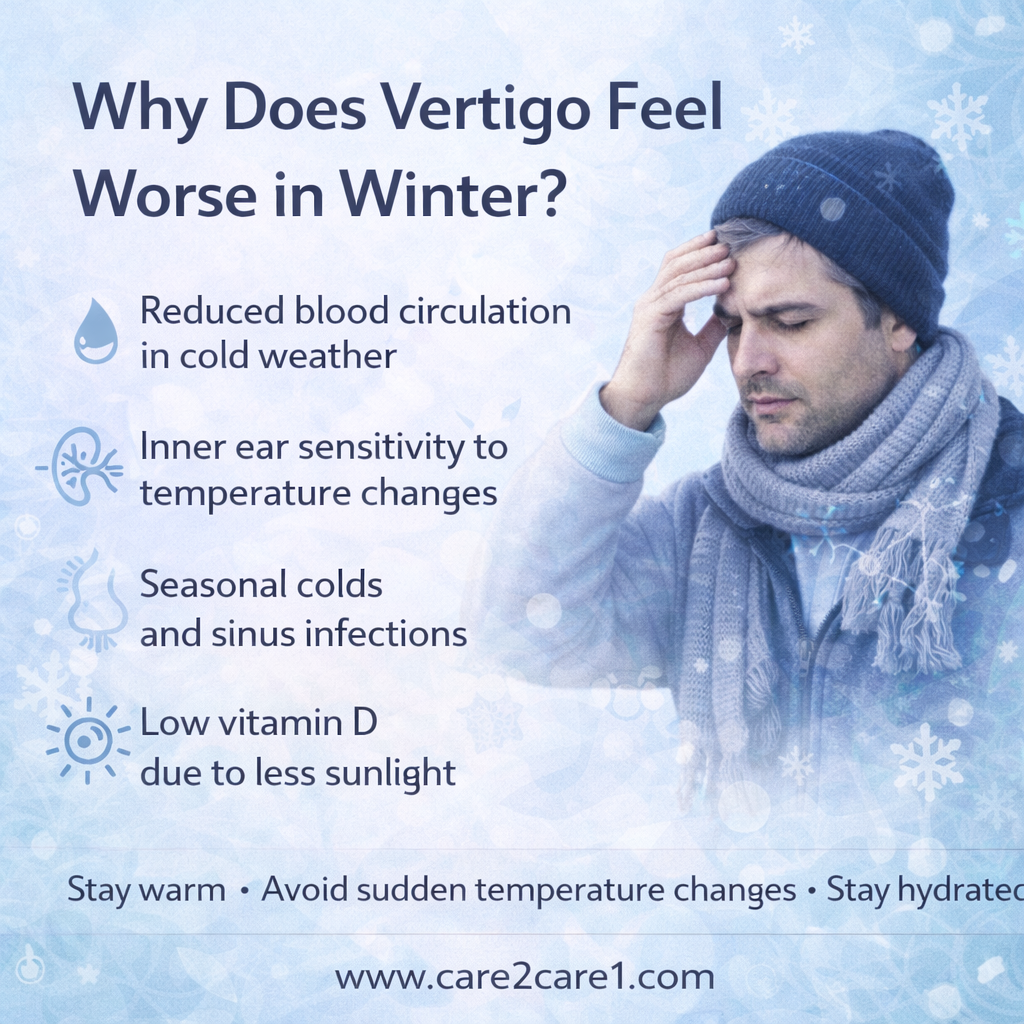
- Cold Weather and Blood Flow: When temperatures drop, our blood vessels constrict to conserve heat. This reduced circulation, especially around the head and neck, can potentially worsen symptoms of vertigo. Less blood and oxygen reaching the inner ear might mean the vestibular system isn’t firing on all cylinders.
-
- Inner Ear Sensitivity: The ears themselves react to temperature changes. Rapid shifts between cold outdoor air and warm indoor environments can affect the delicate fluids inside the semicircular canals, possibly leading to increased dizziness.
-
- Seasonal Illnesses and Infections: Winter is notorious for colds and sinus infections that can inflame areas close to the inner ear. Sinus congestion and ear infections are common culprits behind vertigo flare-ups during this season.
-
- Vitamin D Deficiency: Shorter days mean less sunlight and lower vitamin D levels. Emerging research suggests vitamin D plays a role in inner ear health, and deficiencies might contribute to more frequent or severe vertigo episodes.
Putting all this together, it’s a multi-faceted interplay: colder weather, less sunlight, more illnesses, and physiological changes combine to make winter a rough season for vertigo sufferers.
How to Navigate Winter Vertigo
So, what can you do if vertigo tends to knock at your door when the temperature dips? Here are some practical tips to help you keep your balance:
-
- Stay Warm and Protected: Cover your head and ears when you go outside. Keeping the area around your ears warm might lessen the shock of cold air on your inner ear.
-
- Manage Your Environment: Avoid sudden temperature changes when possible—slow transitions from cold to warm keep your vestibular system steadier.
-
- Boost Vitamin D: Consider safe, moderate sun exposure or supplements after consulting your healthcare provider.
-
- Prevent and Treat Infections Promptly: Don’t ignore sinus or ear issues. Early treatment can prevent vertigo flare-ups linked to infections.
-
- Hydrate and Maintain Blood Flow: Drink plenty of water and avoid smoking, as dehydration and poor circulation also play a part.
And for those tougher days, simple grounding techniques and balance exercises can sometimes help manage symptoms until you feel steady again.
Wrapping Up
Winter is magical in many ways, but it does bring its own challenges—especially for those sensitive to vertigo. Understanding why this happens puts a little power back in our hands, letting us prepare and protect ourselves. As always, if vertigo becomes persistent or severe, don’t hesitate to see a healthcare professional for tailored advice.
Thanks for joining me for this exploration into winter’s dizzying effects. Next week, we’ll switch gears and look at some easy, feel-good habits to boost your mood as the days stay short and chilly. Until then, stay warm, steady, and curious.
 For trusted guidance, expert doctors in Islamabad and Rawalpindi are available on our platform:
 Website: care2care1.com
 Facebook: https://www.facebook.com/homecarejobcare2care1
 Instagram: https://www.instagram.com/care2care1official/
 Share this blog to raise awareness and help others