

 Instant Help
Long-term cough in children has been one of the main complaints for visiting a doctor or emergency department
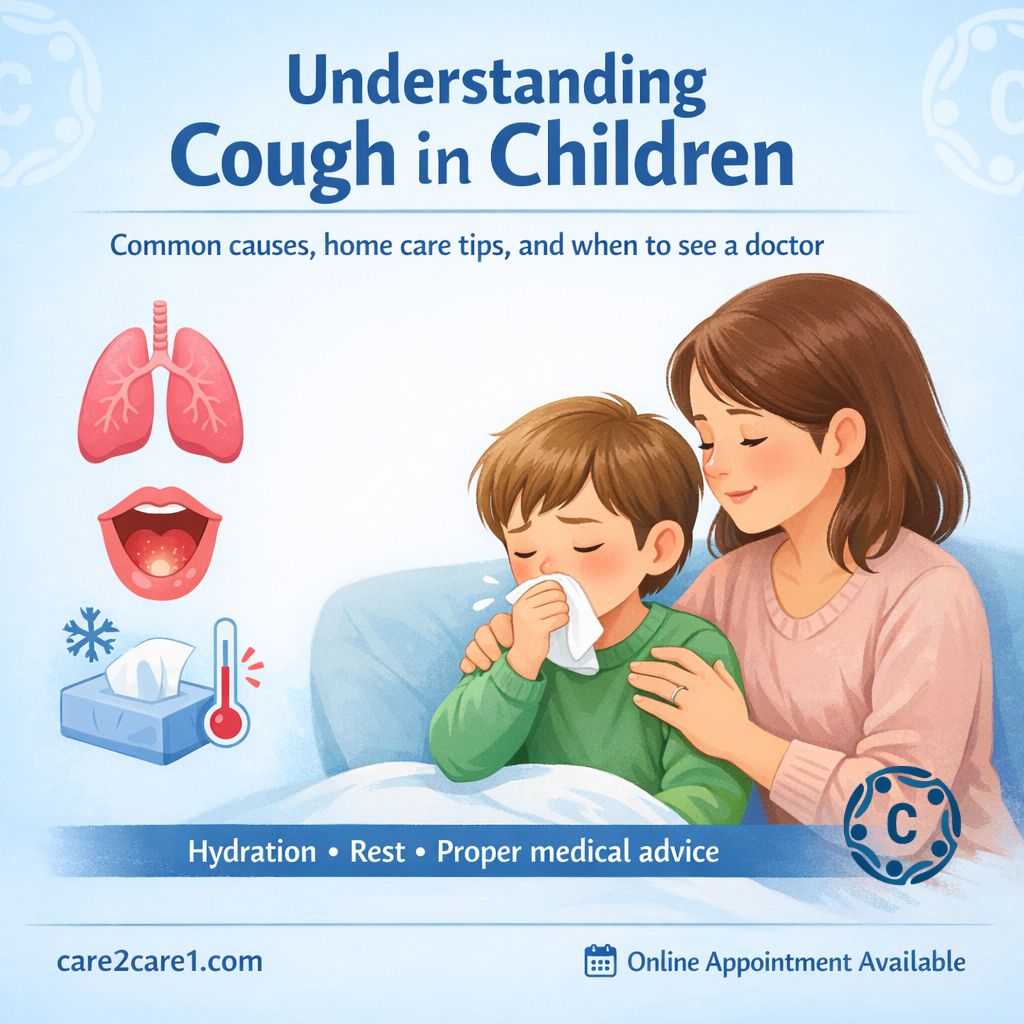
Welcome back to the blog! If you’re a parent or carer, you know just how worrying it can be when a little one develops a cough. It’s one of those symptoms that can feel like a tiny red flag waving constantly—sometimes harmless, sometimes needing more attention. This week, let’s explore what’s behind those coughs in children and how to help soothe them effectively.
Coughing is a natural defence mechanism. It helps clear the airways of irritants, mucus, or anything unwelcome. But understanding why your child is coughing can be key in deciding what to do next. Let’s break down some common causes and what you can do at home before calling the doctor (or, in some cases, when the doctor’s visit is necessary).
Common Causes of Cough in Children
- Common Cold and Viral Infections: The culprit in most cases. Viral infections cause irritation and mucus build-up, leading to a cough. These usually improve on their own within a week or two.
- Allergies: Seasonal or environmental allergens like pollen, dust, or pet dander can trigger coughing as part of an allergic response. You might notice other symptoms like sneezing or itchy eyes.
- Asthma: Chronic cough can be a sign of asthma, especially if it’s accompanied by wheezing or difficulty breathing. It’s a bit more complex and often requires medical management.
- Environmental Irritants: Smoke, pollution, or strong chemicals may irritate a child’s airway, causing a persistent cough.
- Postnasal Drip: Sometimes, nasal congestion means mucus drips down the back of the throat, triggering a cough reflex.
- More Serious Infections: Conditions such as bronchiolitis or pneumonia can cause coughs that are persistent and accompanied by fever, rapid breathing, or lethargy.
How to Soothe and Treat Your Child’s Cough
While the best approach depends on the cause, here are some general tips that can bring relief:
- Keep Hydrated: Fluids help thin mucus, making it easier for your child to cough it up.
- Use a Humidifier: Moist air can soothe irritated airways, especially in dry rooms.
- Elevate the Head: Slightly propping up your child’s head during sleep can reduce coughing caused by postnasal drip.
- Avoid Irritants: Keep your child away from cigarette smoke and strong odours.
- Honey (for children over 1 year): A spoonful of honey can soothe the throat and reduce coughing at night. (Never give honey to infants under 12 months.)
- Consult Your Paediatrician: If the cough lasts more than two weeks, worsens, or is accompanied by symptoms like high fever, difficulty breathing, or fatigue, it’s important to seek professional advice.
Remember, over-the-counter cough medicines are generally not recommended for young children due to potential side effects and limited benefit.
When to See a Doctor—And When to Breathe Easy
A mild cough with no high fever and no breathing difficulties usually means your child is on the mend. However, keep an eye out for warning signs such as persistent high fever, wheezing, rapid breathing, or bluish lips. These warrant prompt medical care.
In many cases, a cough is your child’s way of telling you their body is fighting off something. Providing comfort, monitoring symptoms, and knowing when to consult a physician can make all the difference.
Thanks for sticking with me through this guide on children’s coughs. I hope it adds a little calm and clarity next time you hear that hacking sound from the nursery. Next week, we’ll dive into the benefits of outdoor play for childhood development—because fresh air and fun go hand in hand!
Until then, take care and know you’re not alone on this parenting journey—we’re all learning as we go!