

 Instant Help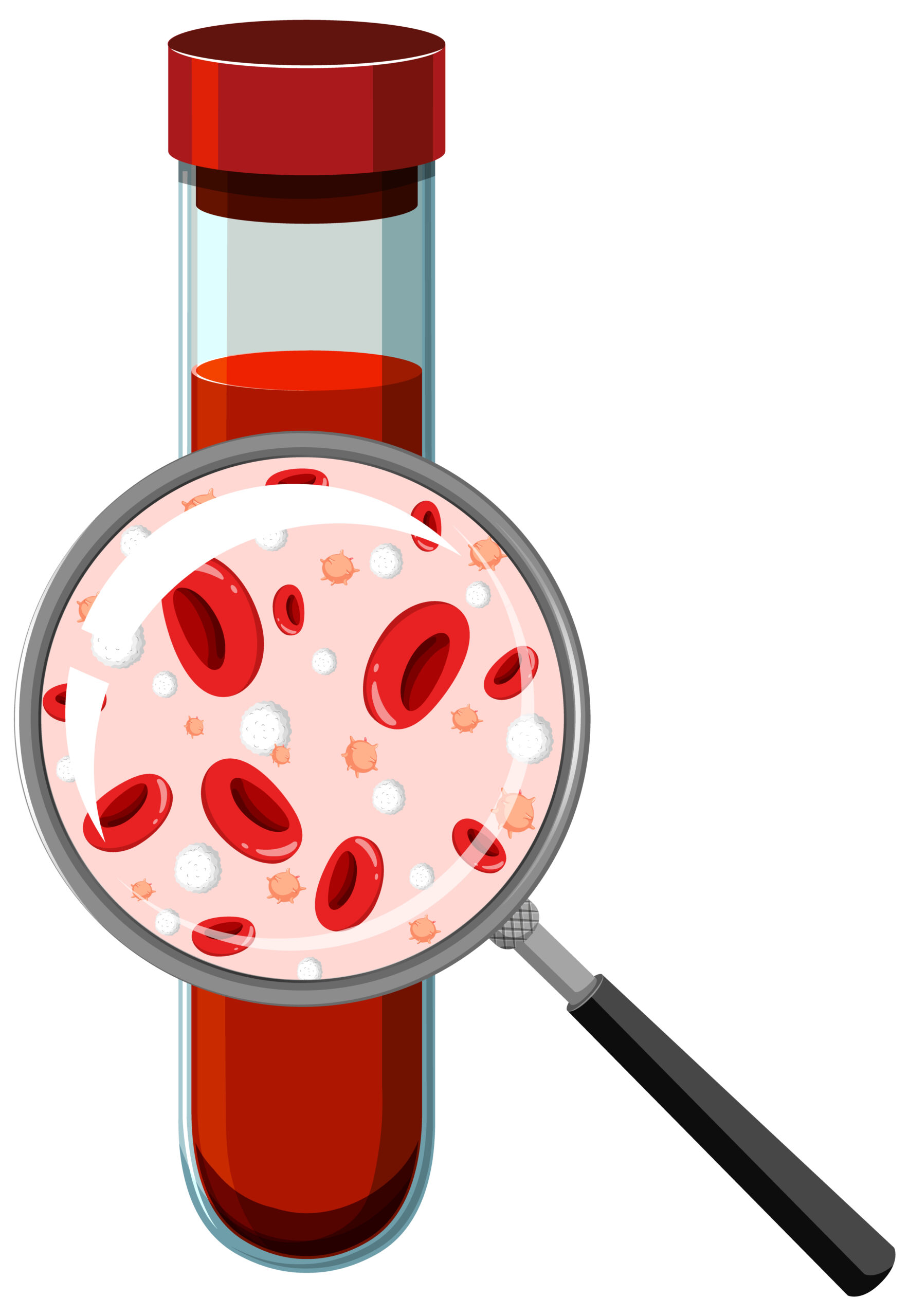
Welcome back, friends! This week, let’s dive into a health topic that many of us might know about but don’t fully appreciate — anaemia. We often think of anaemia as just feeling tired or low on energy, but the reality is a bit more complex (and frankly, a lot more interesting). Anaemia can affect every organ in your body, and understanding how can give us a new perspective on this common condition.
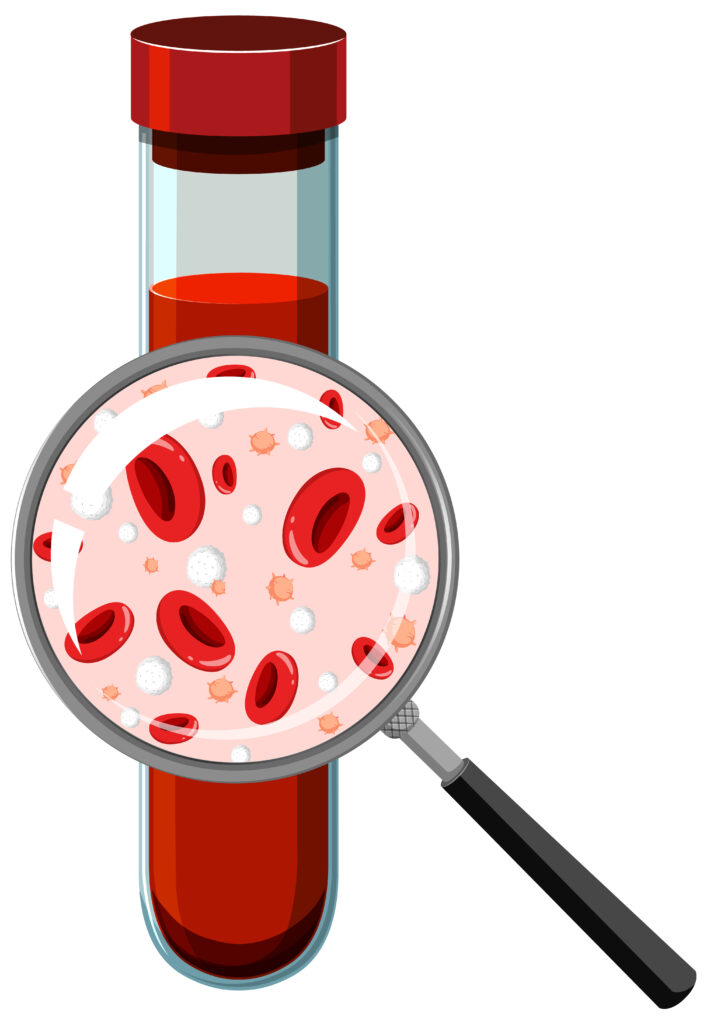
So, what exactly happens when your body is anaemic? At its core, anaemia means your blood doesn’t have enough healthy red blood cells or haemoglobin. Since haemoglobin is responsible for carrying oxygen from your lungs to the rest of your body, when its levels drop, your organs and tissues don’t get the oxygen they need. This isn’t just about feeling sluggish — every organ can experience stress or malfunction when starved of oxygen.
A Closer Look: Body Systems Under the Strain of Anaemia
Take your brain, for example. Lack of oxygen can cause symptoms like dizziness, difficulty concentrating, headaches, or even memory fog. It’s no wonder so many people with anaemia report feeling “spacey” or mentally drained. Then there’s your heart. When oxygen levels fall, your heart has to pump harder and faster to compensate, leading to an increased heart rate and sometimes even palpitations or chest discomfort. Over time, severe anaemia can put serious strain on your cardiovascular system.
Muscles? They can cramp or tire out more quickly with less oxygen fuel. The skin may appear pale, and you might notice brittle nails or hair thinning. Even your digestive system isn’t spared—some people experience nausea or lose their appetite, which can perpetuate the problem by reducing nutrient intake.
So, what can you do?
Recognising these symptoms early is crucial, especially because anaemia can stem from various causes—nutritional deficiencies like iron, vitamin B12, or folate; chronic diseases; or even genetic conditions. A simple blood test can identify anaemia, and from there, healthcare providers tailor treatments depending on the cause.
Meanwhile, a balanced diet rich in iron (think leafy greens, lean meats, and beans), along with foods that enhance absorption like vitamin C-rich fruits, can help keep anaemia at bay. If you’re dealing with chronic fatigue or any mysterious symptoms, it’s worth discussing anaemia with your doctor—even if you think it’s just “tiredness”.
Final Thoughts
Anaemia is more than just a minor inconvenience. It’s a full-body experience that deserves our attention and understanding. By appreciating how it affects every organ, we can treat it not only more effectively but also with the respect it deserves.
Thanks for reading—take care of your precious body and keep seeking little insights that make a big difference. Next week, we’ll explore some simple habits to boost your energy naturally—and maybe even fall in love with your morning routine. Until then, stay curious and stay well!